How to Start a Group Home in Maryland: Licensing, Compliance, and More
By Dane Jones, CEO of Vital Solutions
Starting a group home in Maryland is a meaningful way to support people who need consistent care and a stable environment. Whether you’re hoping to serve adults with developmental disabilities, individuals recovering from substance use, or youth in crisis, Maryland offers clear (though sometimes complex) pathways to opening a licensed, compliant group home.
If you’ve been asking yourself, “How do I start a group home in Maryland?”, this guide will walk you through what’s involved in starting a group home from the ground up—including obtaining a Maryland group home license and finding a location. When it comes to learning how to open a group home in Maryland, we’ll also break down staffing, compliance, billing, and the consulting support you need to succeed.
Choosing the Right Group Home Model in Maryland
Group homes vary widely depending on the population they’re built to support. In Maryland, common types include:
- Group homes for adults with developmental disabilities
- Mental health or substance use recovery homes
- Residential programs for youth in foster care or juvenile services
Each type is regulated by a different department—usually the Maryland Department of Health (MDH), the Developmental Disabilities Administration (DDA), or the Department of Human Services (DHS). Understanding which agency you’ll be working with is one of the first steps in the process.

Maryland Licensing and Certification Requirements for Group Homes
Wondering how to get a group home license in Maryland? That is a crucial first step in understanding how to start a group home in Maryland.
Before opening your doors, you’ll need to be properly licensed. The specific licenses you need depend on who you’re serving and the kind of services you provide. Most group homes fall under the jurisdiction of the Behavioral Health Administration, the Office of Health Care Quality, or the DDA.
Healthcare certifications and licensing services can be extremely helpful here. Instead of navigating the application process alone—which includes writing detailed policy manuals, preparing for inspections, and ensuring your home meets safety codes—you can work with a consultant or agency that helps you meet state standards the first time.
How to Find a Group Home Location That Meets Maryland Zoning Laws
Your home must meet strict zoning and safety regulations. Before signing a lease or purchasing property, contact your local zoning office to ensure group homes are allowed in the area. The home will need to pass fire code inspections and, depending on your population, may need ADA-compliant features like ramps and widened doorways.
Hiring and Training Staff for Maryland Group Homes
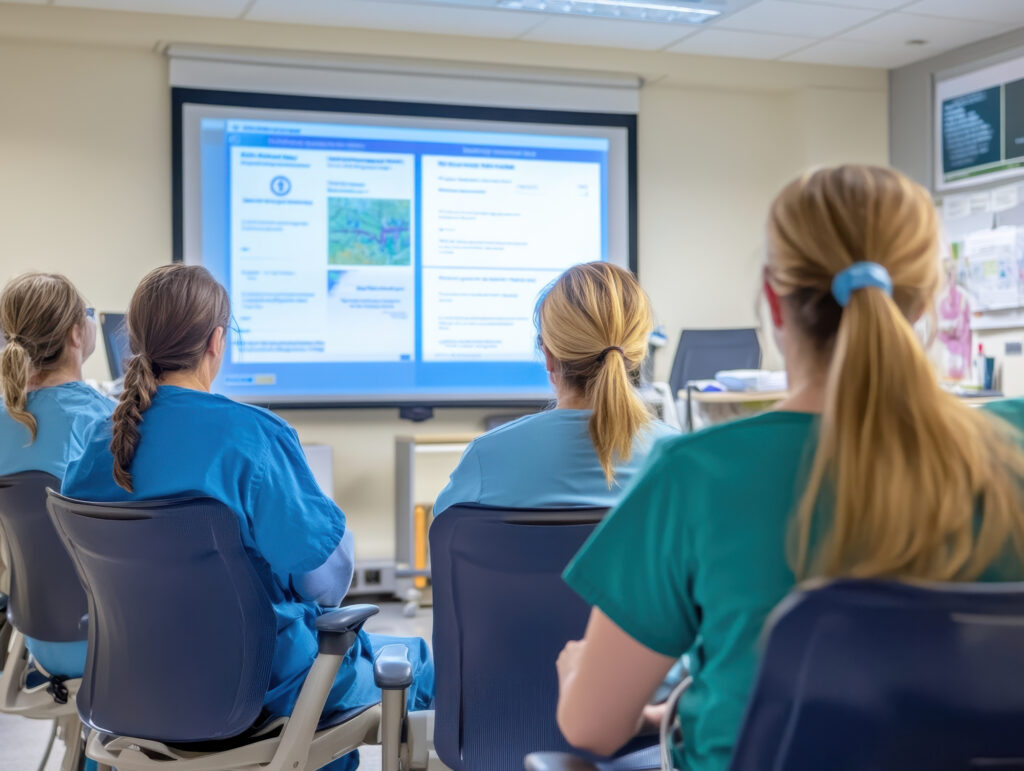
Your staff should be trained and qualified for the care you plan to provide. Direct support professionals, case managers, counselors, or medical staff may be required, depending on the home’s services. Maryland also requires background checks and ongoing staff training.
Incorporating HIPAA compliance training early on helps your team handle resident information with care and professionalism. Working with a HIPAA compliance consultant is a smart move—they’ll help you create policies that protect privacy, avoid costly violations, and train your staff on best practices.
Creating Group Home Care Plans and Daily Programs
Each resident needs a clear service plan, and your group home must have written policies for how care is delivered. That includes:
- Medication management
- Emergency protocols
- Daily routines
- Transportation and off-site activities
If you plan to bill Medicaid or private insurance, these plans also support the billing process and help justify the services provided. That’s where utilization review becomes important—it’s an internal process that ensures your services are medically necessary, documented correctly, and eligible for reimbursement.
Medical Billing Services for Group Homes in Maryland
Most group homes rely on Medicaid, state contracts, or private insurance to cover the cost of care. Managing billing internally can be overwhelming, especially if your staff is focused on providing care. Medical billing services can step in to manage claims, submit paperwork, and follow up on denials. These services ensure you get paid on time and can sustain your home financially.
Why Revenue Cycle Management Matters for Maryland Group Homes
Revenue cycle management (RCM) takes it a step further. RCM services look at your entire financial process—from intake to reimbursement—and help reduce delays, improve accuracy, and avoid cash flow issues. For new group home operators, RCM is a critical part of staying afloat and growing responsibly.

Benefits of Joint Commission Accreditation for Group Homes
If you want to go beyond minimum licensing requirements, consider working toward accreditation through Joint Commission. Their standards cover quality, safety, and organizational excellence—and achieving accreditation can help you qualify for more contracts and funding opportunities. A Joint Commission consultant can walk you through the process, from documentation to inspection readiness.
How DHCS Consultants Help You Stay Compliant in Maryland
Once your group home is up and running, regular inspections, staff training, and documentation updates are part of staying licensed. Many operators work with a DHCS consultant (Department of Health Care Services) to stay on top of state-level regulatory changes, streamline audits, and handle license renewals.
Consultants can also help update your systems if you decide to expand or offer new services.
Final Thoughts on Starting a Group Home in Maryland
Learning how to start a group home in Maryland isn’t a quick process, but it’s one that can make a lasting impact. By surrounding yourself with the right support systems—from licensing help and billing professionals to compliance and accreditation consultants—you’ll be better equipped to provide safe, stable, and compassionate care to those who need it most.
If you’re ready to move forward, start by identifying the population you want to serve, researching the licensing requirements, and building a team that believes in your mission.
QUESTIONS?
Learn More About Our Approach
Frequently Asked Questions About How to Start a Group Home in Maryland
Do I need nonprofit status to open a group home in Maryland?
No, you can operate a group home as either a for-profit or nonprofit organization. However, some grants and state funding opportunities may only be available to nonprofits.
How long does it take to get licensed for a group home in Maryland?
The timeline varies, but it can take several months to a year, depending on the type of home, the population served, and how quickly you complete application steps and inspections.
Can I run a group home out of my primary residence?
In some cases, yes. However, the property must still meet zoning, fire safety, and licensing requirements. It’s best to check with your local zoning board and licensing agency first.
What kind of insurance coverage does a group home in Maryland need?
At a minimum, you’ll need liability insurance, property insurance, and workers’ compensation. Some programs may also require professional liability or abuse and molestation coverage.
Are there tax advantages to opening a group home in Maryland?
Possibly. Nonprofits may qualify for tax-exempt status, and some for-profit operators can write off business expenses. It’s best to consult with an accountant familiar with healthcare or residential services.